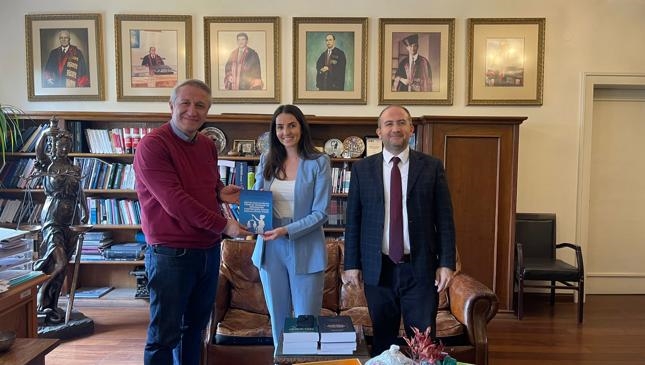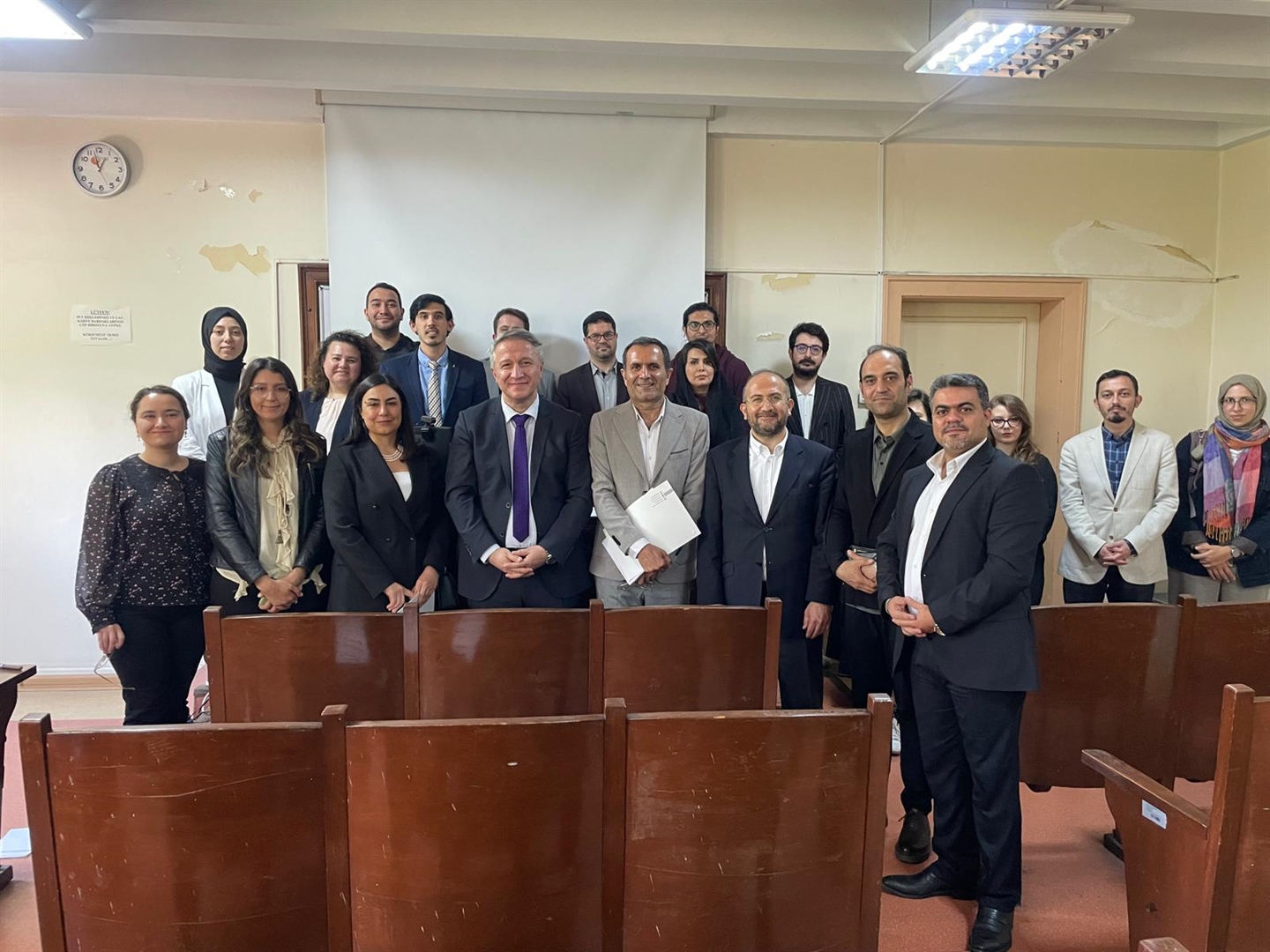
Merkezimiz tarafından düzenlenen “İfade Hürriyeti ve Nefret Söylemi Arasında: Dini Değerlerin Milli ve Milletlerarası Bağlamda Korunmasına İlişkin Mukayeseli Hukuki Tahliller” başlıklı panel gerçekleştirildi. 28 Mayıs 2025’te saat 10.00’da başlayan panel, açılış konuşmaları, sunumlar ve soru-cevap kısmıyla birlikte üç saat sürdü.
Açılış Konuşmalarında Panelin Önemine Vurgu
Açılış konuşmalarını İstanbul Üniversitesi Hukuk Fakültesi Dekanı Prof. Dr. Fethi GEDİKLİ ve Ceza Hukuku ve Kriminoloji Uygulama ve Araştırma Merkezi Müdürü Doç. Dr. Selman DURSUN yaptı.
Prof. Dr. Fethi GEDİKLİ konuşmasında, panelin güncel ve hassas bir hukuki tartışma alanına ışık tuttuğunu vurgularken, komşu ülke İran’dan bir akademisyenin bu çerçevede katkı sunmasının hem bilimsel işbirliği hem de karşılaştırmalı hukuk açısından özel bir anlam taşıdığını ifade ederek organizasyon sebebiyle Merkezimize teşekkür etti.
Doç. Dr. Selman DURSUN ise açılış konuşmasında, ifade hürriyeti ile nefret söylemi arasındaki sınırın özellikle dini değerler söz konusu olduğunda hukukun en tartışmalı alanlarından biri haline geldiğini belirtti. Panelin, bu konudaki hukuki sorunların bilimsel yöntemlerle ele alınmasına ve çözüm arayışlarına katkı sunmayı amaçladığını ifade etti.
İsveç Örneği Üzerinden Hukuki Denge
Panelin açılış tebliğini sunan İran Allameh Tabataba’i Üniversitesi Hukuk ve Siyasal Bilgiler Fakültesi, Kamu ve Milletlerarası Hukuk Anabilim Dalı öğretim üyesi Doç. Dr. Heybatollah NAJANDİMANESH, İsveç’te Kur’an’a yönelik hakaret içerikli eylemler nedeniyle verilen mahkeme kararını değerlendirdi. Doç. Dr. NAJANDİMANESH, bu kararın ifade hürriyeti ve nefret söylemi yasağı arasındaki hassas dengeyi nasıl ele aldığını anlattı. Özellikle İsveç Ceza Kanunu'nun ilgili hükmü ile Avrupa İnsan Hakları Sözleşmesi ve Medeni ve Siyasi Haklara İlişkin Milletlerarası Sözleşme gibi milletlerarası normlar bağlamında olayın hukuki niteliğini irdeledi.
BM İnsan Hakları Hukuku Çerçevesinde Sınırların Belirlenmesi
İstanbul Üniversitesi Hukuk Fakültesi, Genel Kamu Hukuku Anabilim Dalı öğretim üyesi Doç. Dr. Gülay ARSLAN ÖNCÜ ise konuşmasında, Birleşmiş Milletler insan hakları hukuku çerçevesinde ifade hürriyeti, nefret söylemi ve dini değerlerin korunmasının nasıl dengelendiğini ele aldı. BM Medeni ve Siyasi Haklar Sözleşmesi’nin 19. ve 20. maddeleri kapsamında ifade hürriyetinin sınırları, nefret söyleminin tanımı ve Rabat Eylem Planı'nda belirlenen altı kriter bağlamında değerlendirmeler yaptı. Özellikle dini inançlara hakaretin cezai yaptırıma tabi tutulmasının sınırlarına dikkat çekti.
Türk Hukukunda Dini Değerlere Hakaret
Panelin son tebliğini sunan İstanbul Üniversitesi Hukuk Fakültesi Ceza ve Ceza Muhakemesi Hukuku Anabilim Dalı’ndan Dr. Ömer Metehan AYNURAL, Türk ceza hukukunda dini değerlere hakaretin nasıl düzenlendiğini inceledi. 5237 sayılı Türk Ceza Kanunu’nun 216. maddesi çerçevesinde yaptığı değerlendirmede, Yargıtay kararlarından örnek vererek dini değerlere hakaretin kamu barışına yönelik tehdit oluşturduğu durumlarda cezalandırıldığını vurguladı.
Panel, soru-cevap oturumu ve sertifika takdimiyle sona erdi.
Panel on Freedom of Expression, Hate Speech, and the Protection of Religious Values
Our Center organized the panel titled “Freedom of Expression vs. Hate Speech: Comparative Legal Analyses of the Protection of Religious Values in National and International Contexts,” which was held on May 28, 2025, at 10:00 AM and lasted three hours, including opening speeches, presentations, and a Q&A session.
Emphasis on the Importance of the Panel in the Opening Speeches
The opening speeches were delivered by Prof. Dr. Fethi GEDİKLİ, Dean of Istanbul University Faculty of Law, and Assoc. Prof. Dr. Selman DURSUN, Director of the Penal Law and Criminology Application and Research Center.
Prof. Dr. Fethi GEDİKLİ emphasized that the panel shed light on a current and sensitive area of legal debate. He noted that the contribution of an academic from neighboring Iran held special significance, both in terms of scientific cooperation and comparative legal perspectives, and expressed his gratitude to the Center for organizing the event.
In his speech, Assoc. Prof. Dr. Selman DURSUN stated that the boundary between freedom of expression and hate speech becomes one of the most controversial areas of law, especially when it concerns religious values. He stressed that the panel aimed to address the legal issues surrounding this topic through scientific methods and to contribute to the search for solutions.
Legal Balance Through the Swedish Example
The keynote presentation was delivered by Assoc. Prof. Dr. Heybatollah NAJANDIMANESH from the Department of Public and International Law, Faculty of Law and Political Sciences, Allameh Tabataba’i University (Iran). He analyzed the Swedish court ruling concerning acts of insult against the Qur’an. Assoc. Prof. Dr. NAJANDİMANESH explained how the court approached the delicate balance between freedom of expression and the prohibition of hate speech. He examined the legal nature of the case within the framework of relevant provisions of the Swedish Penal Code and international norms such as the European Convention on Human Rights and the International Covenant on Civil and Political Rights.
Defining Boundaries within the UN Human Rights Framework
Assoc. Prof. Dr. Gülay ARSLAN ÖNCÜ, from the Department of General Public Law at Istanbul University Faculty of Law, focused on how freedom of expression, hate speech, and the protection of religious values are balanced within the United Nations human rights framework. She analyzed the limits of freedom of expression, the definition of hate speech, and the six-part threshold set out in the Rabat Plan of Action, all within the scope of Articles 19 and 20 of the ICCPR. She particularly emphasized the limits of criminal sanctions in cases involving insults to religious beliefs.
Insulting Religious Values in Turkish Law
The final presentation was delivered by Dr. Ömer Metehan AYNURAL, from the Department of Penal and Penal Procedural Law at Istanbul University Faculty of Law. He examined how insults to religious values are regulated under Turkish penal law. Referring to Article 216 of the Turkish Penal Code No. 5237 and citing case law from the Court of Cassation, he highlighted that such offenses are subject to punishment when they pose a threat to public peace.
The panel concluded with a Q&A session and the presentation of certificates.
Fotoğraf Galerisi